
How Disability Innovation Makes Life Better for Everyone
July was Disability Pride Month and the theme this year was “The World Works Better With Us.” Communities work better for everyone when people with disabilities are included. Many accommodations that were created to help make the world more accessible for people with disabilities now provide benefit for all kinds of people.
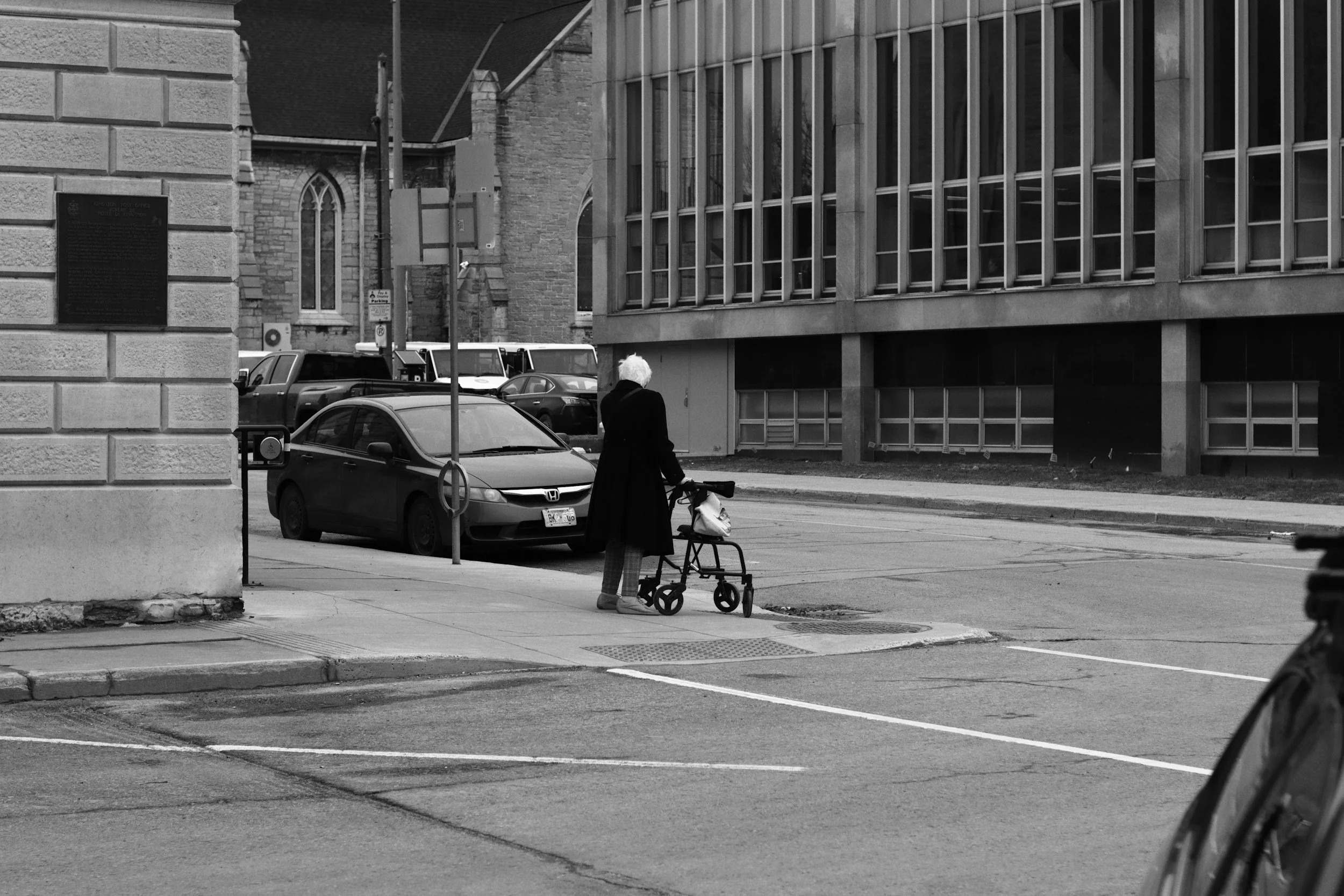
Sidewalk Curb Cuts
Sidewalk curb cuts are a standard part of city design thanks to disability rights advocates. Although initially introduced by Jack Fisher, a disabled veteran and lawyer, in Michigan in the 1940s they became more widespread throughout the country in the ‘60s. Disabled activist Michael Pachovas and a few friends poured cement into a makeshift ramp in Berkeley, California as an act of defiance. Others organized protests and pushed for changes that finally made curb cuts standard practice Today they benefit everyone. Parents with strollers, people rolling luggage, cyclists, and more make use of curb cuts every day.
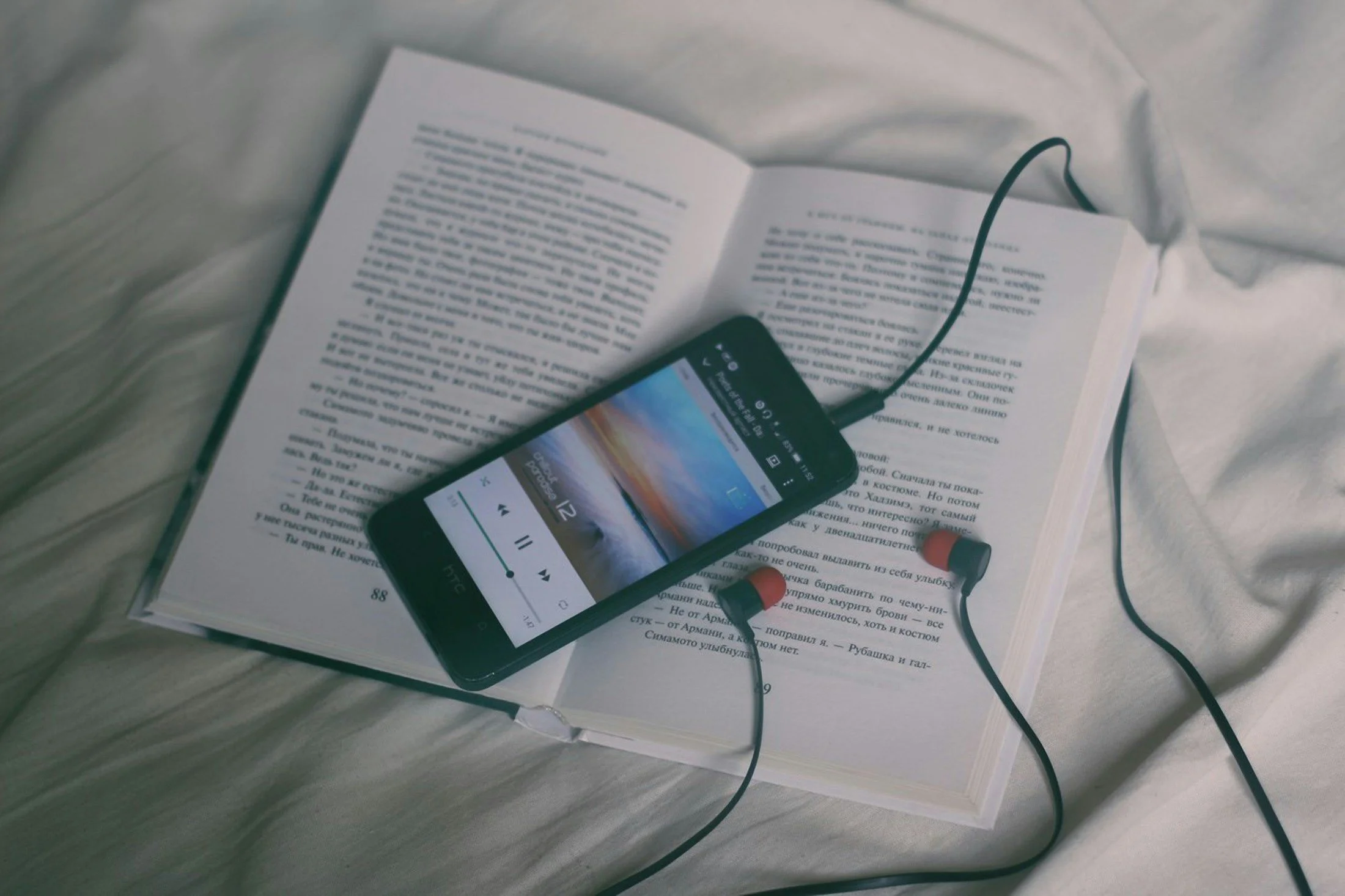
Audiobooks
Audiobooks were first invented in 1932 as vinyl records recorded by The American Foundation for the Blind. In 1942 the Library of Congress began producing audiobooks with first works including William Shakespeare plays, The Constitution and the novel "As the Earth Turns" by Gladys Hasty Carroll. By 1994 the term “audiobook” had become industry standard and today over 55 million people, with and without disabilities, listen to audiobooks each year.
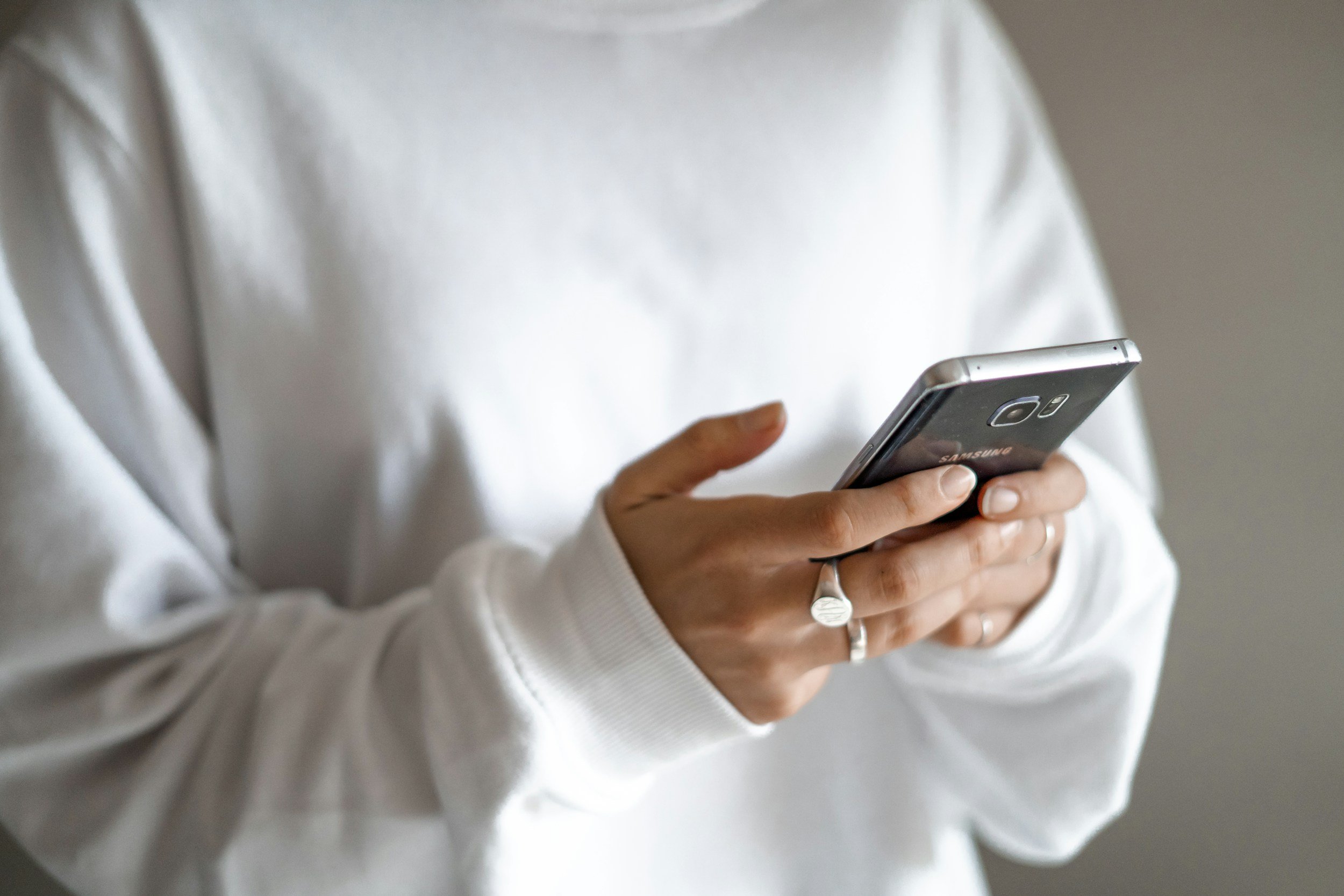
Acoustic Coupler
Robert Weitbrecht, who was deaf, created an acoustic coupler that could be used with a regular telephone, allowing deaf individuals to send and receive messages via phone for the first time. Prior to 1960, deaf individuals had no way to use the telephone but that all changed with his invention. This technology was the precursor to texting that everyone uses today.
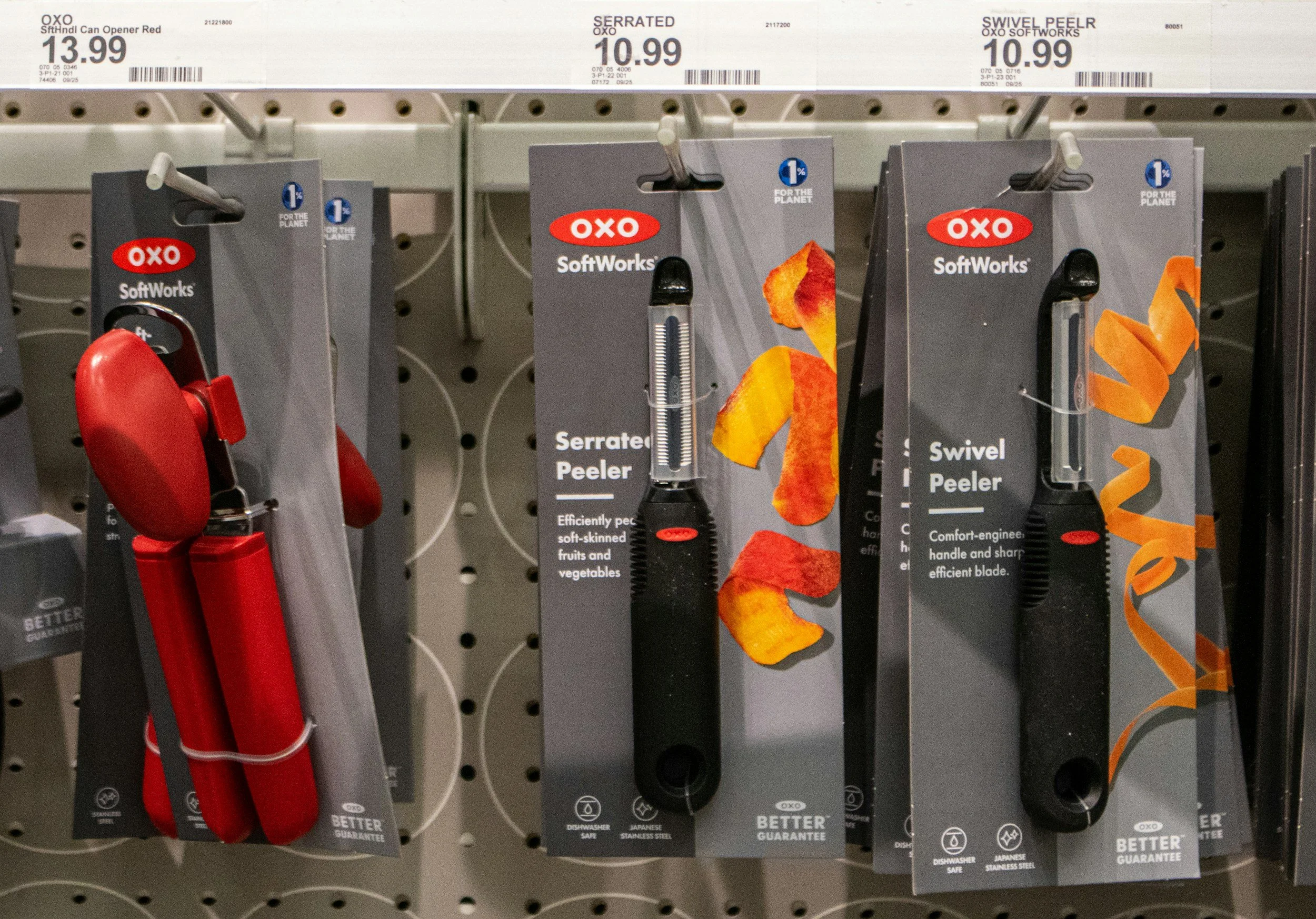
OXO Good Grips
Sam Farber founded OXO when he noticed that his wife was having difficulty holding a peeler due to her arthritis. He created a better peeler and 14 other Good Grips products at the initial launch. The peeler included a thermoplastic rubber handle, which was an innovation in the ‘90s. The handle was non-slip even when wet and soft to touch. It’s also a material that works well with other materials and is dishwasher friendly.
Electric Toothbrush
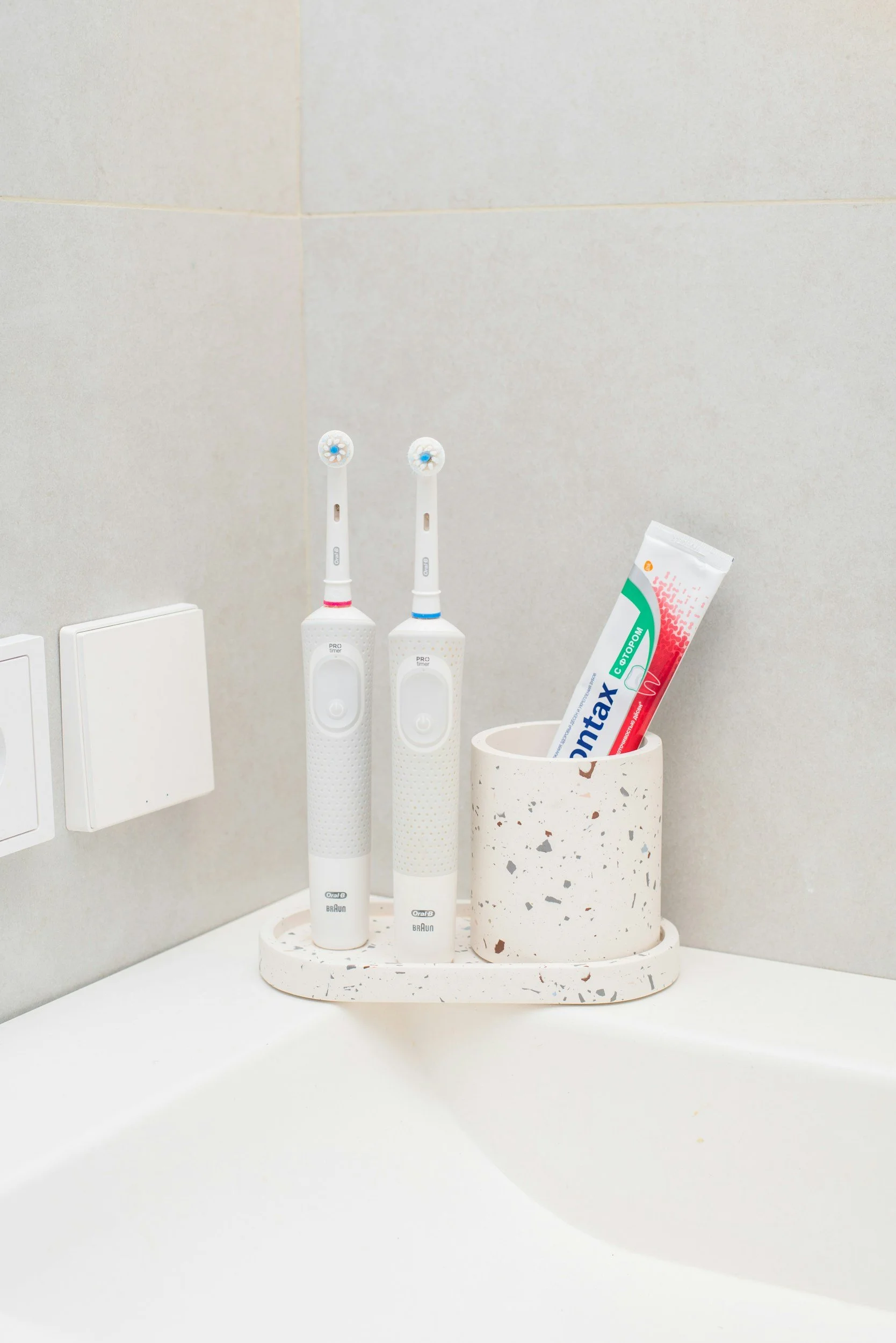
The electric toothbrush was introduced in 1954 by Dr. Phillippe-Guy Woog for people with limited motor skills. He realized that many people couldn’t brush properly with a manual toothbrush so he invented a toothbrush with a plug-in motor. Now that toothbrush has evolved to be rechargeable or battery operated and is used by many people globally.
Speech Recognition
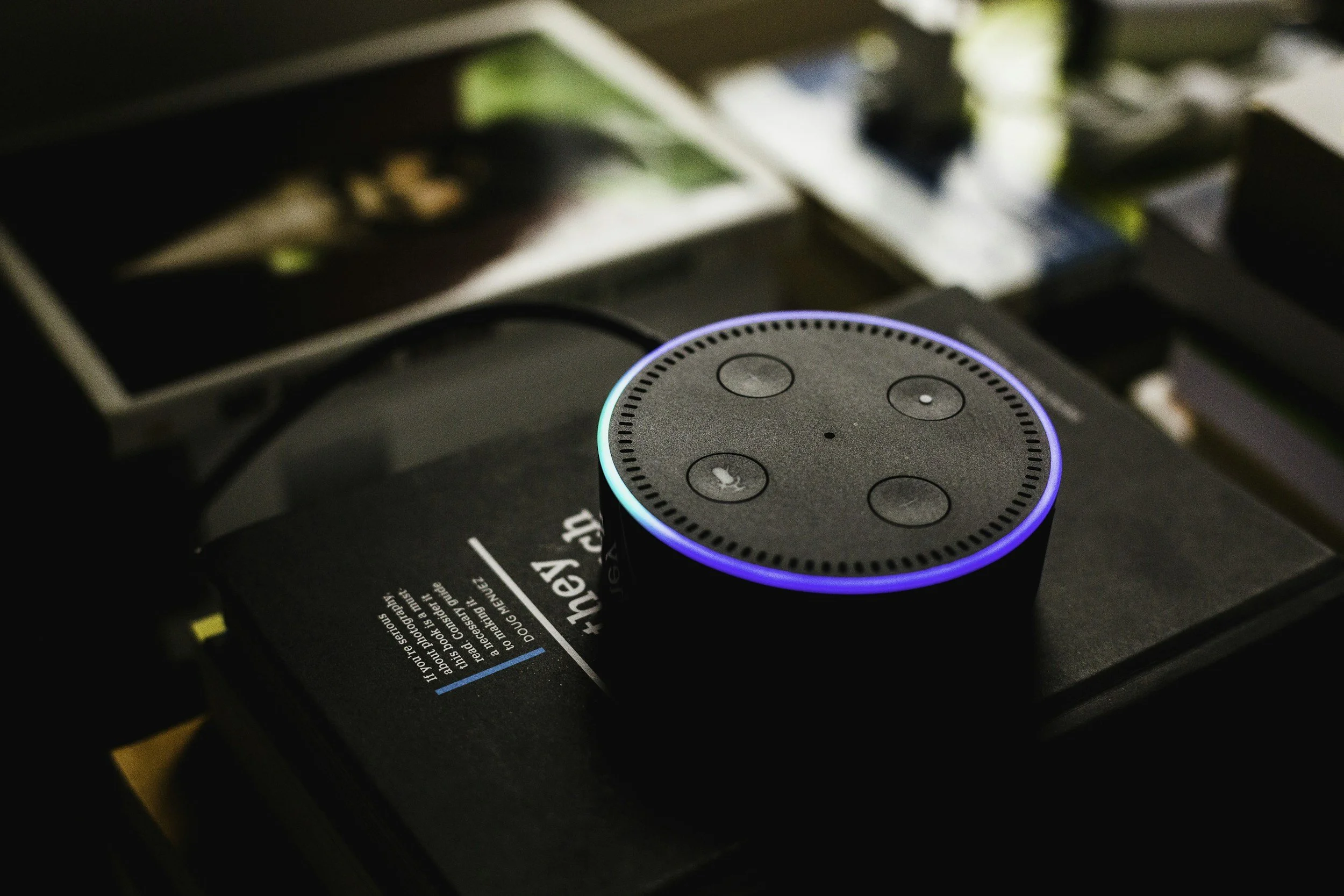
Before there was Siri and Alexa, there was Audrey. Developed by Bell Laboratories in the 1950s, Audrey was the first technology to recognize spoken digits. Audrey only recognized the numbers zero through nine. The Harpy System was introduced by Carnegie Mellon in the ‘70s which understood sentences equivalent to a three-year-old’s vocabulary. In 2011, we were introduced to Siri with Alexa and other competitors soon after. Now you hear “hey Alexa” and “hey Siri” all the time as Alexa and Siri Google something, add to your grocery list, or manage your daily tasks.
Typewriter
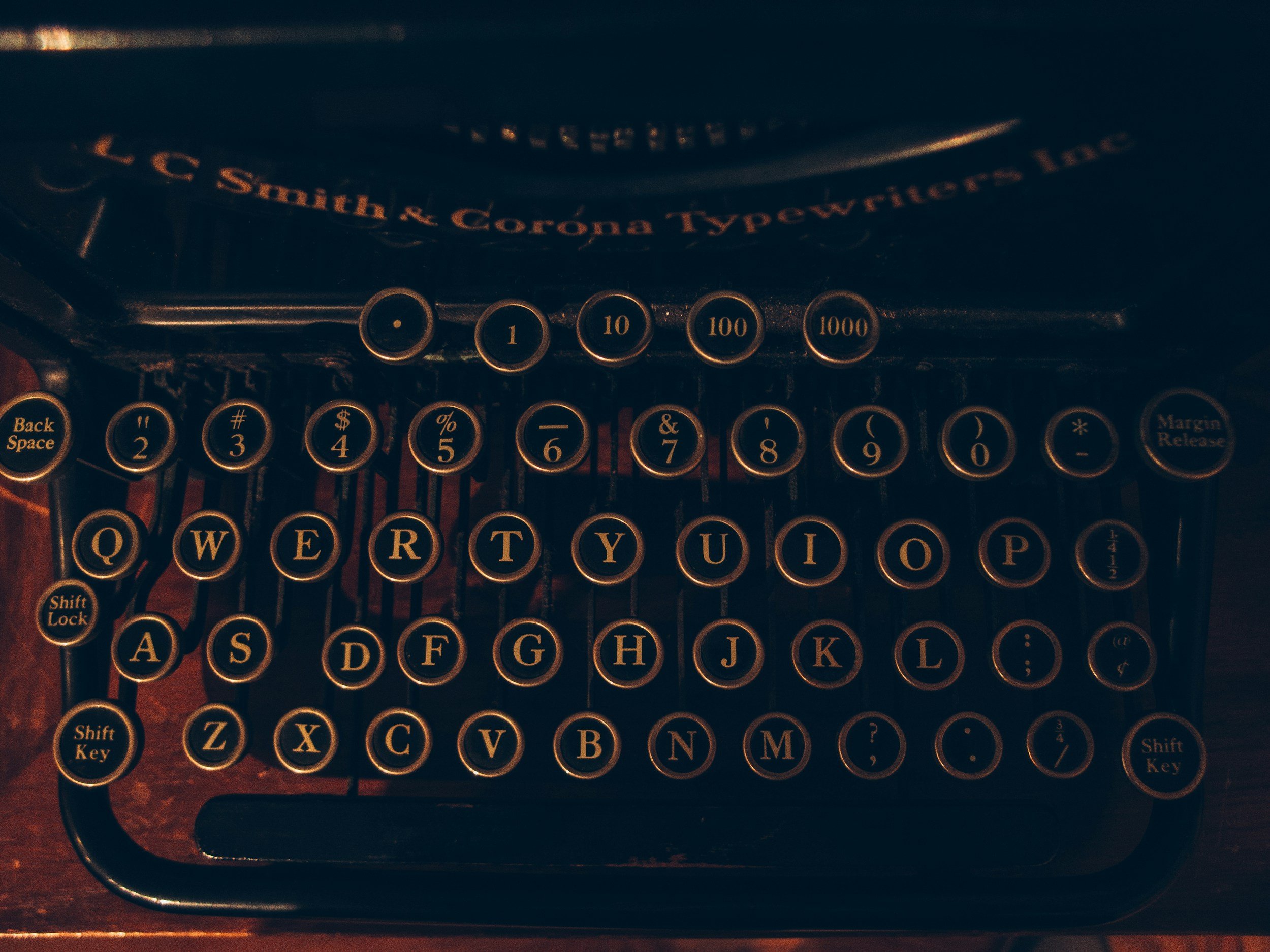
Pellegrino Turri was an Italian inventor who invented the typewriter for his friend who was blind and unable to write letters. In 1608, he invented the first typewriter that used raised characters, metal arms, and keys. Carbon paper was used as ink for the machine. There have been several versions of the typewriter since then and paved the way for the modern computer keyboard that most of us use daily.